Coz Being Ageless Is Priceless

Posts tagged ‘blueberries’

Skin Savers

Hello everyone! I just wanna share comments that I usually get from clients when I first meet them (or even those I haven’t seen in a while). Modesty aside, they usually ask what I do for my skin. Like most guys, I don’t wanna put too much stuff on my face so I try to keep it really simple. I don’t use soap on my face since most of them cause dryness. I use gentle, organic facial cleansers. My current favorite is the one from Nuskin. It’s important to use a moisturizer on the face and neck area. One of my favorites is the sandalwood moisturizer from Young Living Essential oils. They’re certified organic and they’re very pure as well that you can actually eat them (although I don’t recommend this unless there’s a famine going on). I remember the founder of the company taking a bite of their deodorant stick at one of their annual conferences held a few years ago. If it’s good enough for your skin, then it must be good enough for the rest of the body (or to be taken internally). Makes sense! What a lot people don’t know is that what you eat actually affects the quality of your skin. Eating a lot of refined carbs causes something we call “Advanced glycosylation end-products” or AGE for short. This process takes place when there’s excess blood sugar. This excess sugar combines with protein molecules rendering them non-functional. When these sugars combine with collagen in our skin, that’s when wrinkles begin forming. What gives skin a healthy glow? It’s the pigments coming from fruits such as blueberries, raspberries, pomegranates and many more. What helps in the formation of collagen, the main supporting structure of the skin? Vitamin C, L-lysine and L-proline. What about collagen supplements? I started trying a famous Canadian brand which is now sold in the PI. Let’s see how that goes. In summary, healthy skin can be achieved through a good diet, exercise and topical skin regimen.

Antioxidants: Your Defense Against Premature Aging

Various fruits and vegetables for sale at Pike...

Image via Wikipedia

ORAC what? Oxygen Radical Absorption Capacity is a test developed by USDA researchers at Tufts University in Boston to measure the antioxidant levels of foods and supplements. Why is this important? First, let’s explore what antioxidants are. These, in a nutshell, are substances that destroy free radicals. What are free radicals? Free radicals are unstable molecules that have a free electron. What free radicals do is that they steal electrons from other molecules such as our cells to make themselves stable. In the process, they damage our cells and their components. One of the most vulnerable parts of our cells is the mitochondria, the energy powerhouse of our cells. No wonder, once there’s mitochondrial damage (which is another cause of aging), one of the earliest symptoms a person could experience is fatigue or weakness. Antioxidants should ideally be coming from our food. Other sources include nutritional supplements such as vitamins, minerals and therapeutic-grade essential oils. Rich food sources of these antioxidants include prunes, wolfberries, acai berries, blueberries, pomegranates, apricots, kale, etc. Among the essential oils, clove scores the highest at 1,078,000, followed by myrhh at 379,000 and citronella at 312,000.

That’s Super! SuperFoods Against Cancer

A Sweetie (a cross between a grapefruit and a ...

Image via Wikipedia

It’s on AOL News. It never gets more mainstream than this! Among the 10 anti-cancer foods mentioned include turmeric, berries (blueberries, raspberries, acai berries, wolfberries and cranberries), green tea, garlic, broccoli and cabbage, onions and leeks, tomatoes, soy, watercress and spinach, and resveratrol. I would add essential oils like frankincense and D-limonene (from citrus fruits) to this list. This is awesome considering the bias (in mainstream media) against nutrition and supplements in general. However, the article ends with a cautious note which states that “none of this (advise regarding anti-cancer foods) is to say that anti-cancer foods or nutritional supplements should be used in place of doctor-recommended treatments such as chemotherapy or radiation.” Interesting, huh? Anyway, that’s another controversial topic we can discuss in the future. In my opinion, an integrative approach to cancer works better than just doing the “slash, burn or poison” (for surgery, radiation or chemotherapy, respectively) recommendation. Fortunately, its starting to happen in more progressive areas of the country. “Alternative” modalities such as acupuncture, naturopathy and massage therapy are being brought in to these integrative cancer centers. This holistic approach apparently yields better results than the standard treatments alone, according to studies. In countries that I’ve visited over the years, they seem to have a more advanced approach to cancer. One particular medical center that I visited had a Department of Regenerative Medicine, right next to the Oncology Department. Clients who were scheduled for chemotherapy and radiation treatments were given an option to bank their stem cells prior to the procedures. Stem cell treatments actually help in their recuperation efforts after the said treatment procedures. Other novel treatments such as dendritic cancer vaccines (cancer immunotherapy) are now also being administered in other parts of the world. This is great, considering the “less than satisfactory” results of the “war against cancer.” Suzanne Somer’s latest book called “Knockout” is a collection of interviews she made with holistic doctors who are successfully treating cancer using an integrative approach. Anyway, as Benjamin Franklin once said, “an ounce of prevention is worth a pound of cure.” It still rings true, even more so these days. So, eat up on those superfoods!

A Chocolate A Day…….

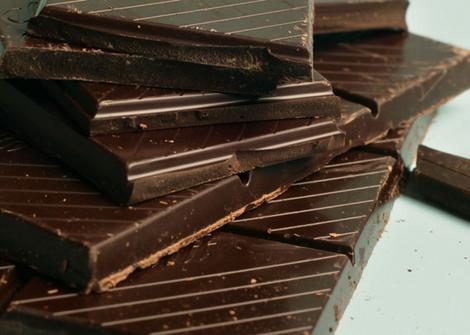
….may keep the doctor at bay. Interesting thought, huh? When I say doctor though, I meant staying away from someone who’s always ready to prescribe medications for any ailment. You may want to work with a doctor (originally derived from Latin word “doctoris” meaning teacher, by the way) who actually works in partnership with you and is open-minded to other forms of healing. As far as chocolate is concerned, I’m referring to cocoa and/or organic, unrefined, dark chocolate and not the milk chocolate variety (lots of sugar and saturated fat). It has been found out in numerous studies that the polyphenols found in cocoa (as well as tea and blueberries) help improve endothelial function therefore preventing atherosclerosis. They also combat free radicals thus proving to be one of the best nutrients to use for anti-aging purposes. A French study showed that people greater than 65 years old with a diet rich in these bioflavonoids had less cognitive decline over a 10 year period. There’s also a Finnish study of more than 1,000 men in which a high polyphenol diet was linked to healthier arteries. More clinical studies (even double blind studies required by the authorities here) are found in Life Extension magazine. Ever wonder why cocoa is considered “food of the gods” (named “Theobroma cacao” by botanist Linnaeus) in the Aztec culture?