Coz Being Ageless Is Priceless

Posts tagged ‘essential oils’

Who’s afraid of Zika (or any other virus, for that matter)?

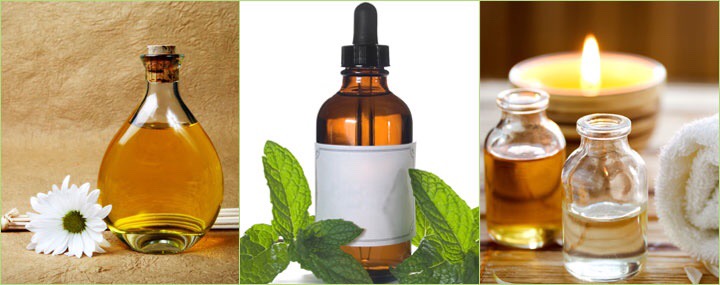
My answers to that is, probably everybody. Most especially, the uninformed. You see, there’s not enough antiviral medications available in the market and those that are, are very specific for certain viruses. Those that are synthetic, come with a significant number of side ffects. Those are that natural, supposedly do not come with enough clinical studies (or we’re not looking at the right journals). So, what are we to do? We know that a healthy immune system is a very formidable defense against microbes and tumors. What you can do then is something really simple. First, make sure that you’re getting enough vitamin C, not plain ascorbic acid, but whole vitamin C, complete with bioflavonoids and all. Vitamin C’s RDA is a joke so definitely do not follow that. What you need to follow is a vitamin’s ODA or Optimal Daily Allowance. For vitamin C, that may vary from 3 to 6 grams per day, taken in divided doses. When someone encounters a viral infection, the timing and dosage of ingestion of vitamin C really matters. An often repeated advise would be to take a gram per hour until symptoms abate or until a person has loose stools. If someone has access to intravenous nutritional drips like the Myer’s cocktail (vitamin C and other nutrients), that would be great! Another vitamin that has antimicrobial properties is vitamin D. Notice why the flu is more prevalent during the winter (or rainy) months? Well, it’s because of the marginal exposure to sunlight, the best source of vitamin D. What about other natural ways to fight off viruses? There’s one modality that stands out and that is medical aromatherapy. It involves the use of clinical grade essential oils such as lemon, cinnamon, oregano, clove, thyme, etc. Numerous clinical studies done at major US hospitals have proven that these oils can be effective against a whole slew of infectious agents. The quality of the oils matter though. Make sure to choose one that’s really pure and are not synthetically-cut like possibly 98% of the oils out there. There are companies that self-regulate themselves in the absence of industry standards. Careful identification of plant sources, quality processing, and clinical validation matters. img_0871
Toxins Are Making You Fat…

Excess adipose tissue around a male's mid-section.

Image via Wikipedia

It’s that time of the year again when people make New Year’s resolutions (that they can hopefully stick with until the motivation goes south). Perhaps, the best thing to do is to plan ahead but take things a day at a time. If things don’t go your way or to put it another way, if you blow it, just forget about it and go back on your merry way. No use crying over spilt milk, as the old saying goes.

One of the most common New Year’s resolutions is to lose weight. It’s not as easy as it used to be when simply cutting down caloric intake could do the trick. Nowadays, one has to consider the role that toxicity, stress, hormonal imbalance, inflammation, food sensitivities, and yes, even chronic pathogens, play in people’s health problems, including that of obesity.

Let’s first discuss the role of toxins in the obesity epidemic. Toxins are natural or man-made products that could wreak havoc on our physiology. With well-functioning organs of elimination, it’s not usually a problem. However, since we’re dealing with so many toxins in our food, air and water, it’s important that we assist these organs of detoxification and elimination in any way we can. Vitamins, minerals, herbs, essential oils, and homeopathic remedies are among the things we could use to facilitate that. Other activities that could help include exercise, fasting, massage, dry skin brushing, enemas/colon hydrotherapy, and Ayurverdic practices such as pranayama and abhyanga.

Toxins, if not metabolized and excreted, could accumulate and affect every system in the body. The once thought to be impenetrable blood-brain-barrier (protecting the brain) could actually be “infiltrated” by circulating toxins.

One popular theory behind the accumulation of fat in certain areas of the body is that these fat cells are actually trying to protect vital organs from these toxins. It’s a adaptive mechanism, if I may put it that way. Toxins are basically stored in fatty tissues. These toxins are subsequently released during a weight loss program. This explains why most people feel bad in an unsupervised, non-holistic weight management program. A holistic approach would consider adding a liver support protocol, among other things. It’s also wise to have someone’s baseline body composition measured prior to starting a program. Doing this initially and at regular intervals during the program guarantees that a person is losing fat and not muscle tissue.

Anyway, a natural result of detoxifying the body is fat loss. Therefore, anyone considering losing weight should begin with getting rid of junk internally (from their bodies) and from their environment (basic clean food, air and water).

Antioxidants: Your Defense Against Premature Aging

Various fruits and vegetables for sale at Pike...

Image via Wikipedia

ORAC what? Oxygen Radical Absorption Capacity is a test developed by USDA researchers at Tufts University in Boston to measure the antioxidant levels of foods and supplements. Why is this important? First, let’s explore what antioxidants are. These, in a nutshell, are substances that destroy free radicals. What are free radicals? Free radicals are unstable molecules that have a free electron. What free radicals do is that they steal electrons from other molecules such as our cells to make themselves stable. In the process, they damage our cells and their components. One of the most vulnerable parts of our cells is the mitochondria, the energy powerhouse of our cells. No wonder, once there’s mitochondrial damage (which is another cause of aging), one of the earliest symptoms a person could experience is fatigue or weakness. Antioxidants should ideally be coming from our food. Other sources include nutritional supplements such as vitamins, minerals and therapeutic-grade essential oils. Rich food sources of these antioxidants include prunes, wolfberries, acai berries, blueberries, pomegranates, apricots, kale, etc. Among the essential oils, clove scores the highest at 1,078,000, followed by myrhh at 379,000 and citronella at 312,000.

Wow, that smells!

Shelves of perfumes

Image via Wikipedia

I knew it! There’s something more to perfumes or colognes than the strong smell they give off. I often wonder why some people splash (or practically bathe) themselves with very strong scents. I guess some people use it to attract others while some use it to mask their body odors. It’s all good unless the smell is too strong or offensive. Ever gone to places where heavily perfumed people have been? Sometimes, the odor lingers for hours on end (maybe not that long). Apparently, there are other ways that synthetic colognes/perfumes could harm you. They could cause male infertility by damaging men’s sperm, according to a Harvard study done in 2006. This was also the conclusion made by the Environmental Working Group, who said that the secret ingredients in popular perfume brands are causing damage to sperm. One of the offending agents mentioned is diethyl phthalate (DEP), which is a xeno-estrogen or hormone-disruptor found in the colognes. So, if men want to stay virile (guys, if you wanna have babies) into their older age, stay away from those synthetic scented perfumes/colognes. A better option would be to use therapeutic-grade essential oils. They can be used as perfumes as well as for various ailments. In fact, the oils have been used since ancient times. Records their use have been found in the Ebers Papyrus and the Bible. However, don’t just get essential from anywhere including health food stores. Most of them are not prepared properly such that the oils practically no therapeutic value. If you’re going to use essential oils, make sure that they’re prepared properly. I know of a company that has the motto of “From Seed To Seal”. They have stringent quality control procedures in place such that I’m confident in using them myself and recommending them to my loved ones and my clients.

I Hate Radicals!

The lipid peroxidation mechanism shows a singl...

Image via Wikipedia

Free radicals, that is! Free radicals are highly unstable atoms or molecules that have unpaired electrons. In order to maintain stability, they steal electrons from other molecules such as our cells thereby causing cell damage. A good analogy would be a codependent/clingy person. He or she always has to be with someone to thrive or even survive. That ain’t fun! Anyhow, excessive free radical formation leads to premature aging and nobody wants that. To fight against free radicals, we need to take antioxidants. Antioxidants are molecules that basically donates electrons to free radicals which then neutralize them and prevent them from damaging other cells. Antioxidants come in the form of vitamins (Vitamins A, C and E), minerals (zinc, selenium), amino acids (glutathione), herbs (ginkgo), essential oils (clove essential oil) and other nutrients (resveratrol). Antioxidants typically turn into free radicals once they donate their electrons. That’s why it’s always a good idea to take a good mix of antioxidants rather than just taking an isolated one. Among the antioxidants by the way, glutathione is the only one that doesn’t turn into a free radical. Neat, huh?