
Who’s afraid of Zika (or any other virus, for that matter)?
My answers to that is, probably everybody. Most especially, the uninformed. You see, there’s not enough antiviral medications available in the market and those that are, are very specific for certain viruses. Those that are synthetic, come with a significant number of side ffects. Those are that natural, supposedly do not come with enough clinical studies (or we’re not looking at the right journals). So, what are we to do? We know that a healthy immune system is a very formidable defense against microbes and tumors. What you can do then is something really simple. First, make sure that you’re getting enough vitamin C, not plain ascorbic acid, but whole vitamin C, complete with bioflavonoids and all. Vitamin C’s RDA is a joke so definitely do not follow that. What you need to follow is a vitamin’s ODA or Optimal Daily Allowance. For vitamin C, that may vary from 3 to 6 grams per day, taken in divided doses. When someone encounters a viral infection, the timing and dosage of ingestion of vitamin C really matters. An often repeated advise would be to take a gram per hour until symptoms abate or until a person has loose stools. If someone has access to intravenous nutritional drips like the Myer’s cocktail (vitamin C and other nutrients), that would be great! Another vitamin that has antimicrobial properties is vitamin D. Notice why the flu is more prevalent during the winter (or rainy) months? Well, it’s because of the marginal exposure to sunlight, the best source of vitamin D. What about other natural ways to fight off viruses? There’s one modality that stands out and that is medical aromatherapy. It involves the use of clinical grade essential oils such as lemon, cinnamon, oregano, clove, thyme, etc. Numerous clinical studies done at major US hospitals have proven that these oils can be effective against a whole slew of infectious agents. The quality of the oils matter though. Make sure to choose one that’s really pure and are not synthetically-cut like possibly 98% of the oils out there. There are companies that self-regulate themselves in the absence of industry standards. Careful identification of plant sources, quality processing, and clinical validation matters. 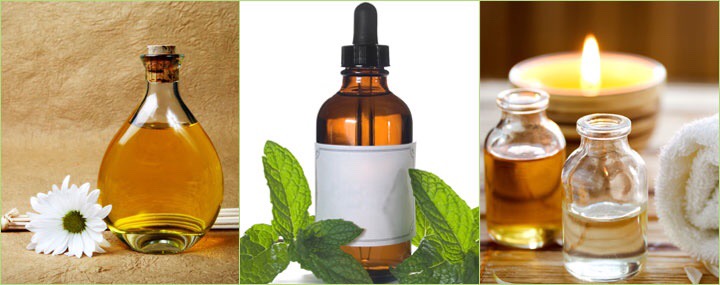

 Everyone dreads about hearing the C word from their doctor. Actually, it’s nothing to be afraid about. That is, if you have a healthy immune system. Each one of us has cancer cells in the body. Cancer cells are just abnormal cells resulting from a defective manufacturing process (cell division). Factors that contribute to this malfunction include excessive free radical formation (oxidative stress), chronic inflammatory processes, chronic toxicity, poor oxygenation, defective metabolic processes (such as impaired blood sugar metabolism, sluggish thyroid), defective DNA repair mechanisms and inefficient detoxification processes, among many other things. Oftentimes, the only risk factors for cancer that doctors discuss with their patients are smoking and drinking alcohol. It’s not that doctors conveniently forget about these numerous other causes. It’s just that a functional or molecular or nutritional approach in medicine has not been espoused in medical school or post-graduate training. There is a heavy empasis on pharmacology during medical training. After med school, continuing education primarily comes from pharmacaeutical companies. Unless a doctor’s interested in a different approach in healing, then it’ll always be the same approach in dealing with patients and that is, the allopathic approach. Anyway, ways to ensure that you have a healthy immune system to prevent chronic degenerative diseases such as cancer, is first and formost, having a healthy lifestyle. A healthy diet, exercise, rest and relaxation, adequate water intake and sunlight exposure, and healthy relationships are important. In today’s industrialized and over-polluted world, I would add nutritional supplementation and regular detoxification procedures as part of one’s ultra-preventive program. There’s an abundance of superfoods or nutrients that have anti-carcinogenic properties. It’s important to work with licensed health practitioners who have a knowledge and experience in integrating allopathic and complementary/alternative if one’s ever diagnosed with it. And just FYI, there’s a test available called a chemosensitivity test. This takes the guesswork out of what natural and synthetic chemotherapy drugs to use for a particular cancer. No more trial and error or better yet, guesswork on what would or wouldn’t work. A holistic personalized approach in treating any illness beats a one-size-fits-all approach any time. More info on this chemosensitivity testing in future blog entries. Have a great weekend everyone!


 Hot Tips, News and Trends for Healthy Aging By Dr. Joel Lopez, M.D.