Coz Being Ageless Is Priceless

Posts tagged ‘Vitamin C’

Who’s afraid of Zika (or any other virus, for that matter)?

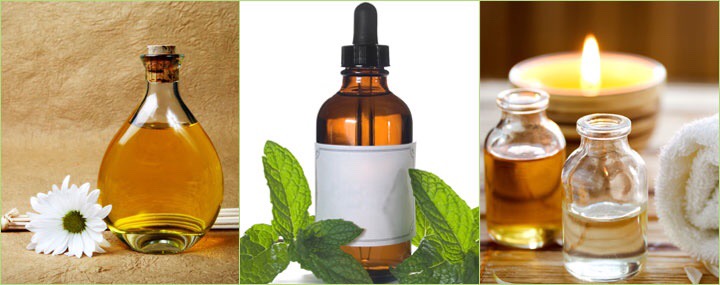
My answers to that is, probably everybody. Most especially, the uninformed. You see, there’s not enough antiviral medications available in the market and those that are, are very specific for certain viruses. Those that are synthetic, come with a significant number of side ffects. Those are that natural, supposedly do not come with enough clinical studies (or we’re not looking at the right journals). So, what are we to do? We know that a healthy immune system is a very formidable defense against microbes and tumors. What you can do then is something really simple. First, make sure that you’re getting enough vitamin C, not plain ascorbic acid, but whole vitamin C, complete with bioflavonoids and all. Vitamin C’s RDA is a joke so definitely do not follow that. What you need to follow is a vitamin’s ODA or Optimal Daily Allowance. For vitamin C, that may vary from 3 to 6 grams per day, taken in divided doses. When someone encounters a viral infection, the timing and dosage of ingestion of vitamin C really matters. An often repeated advise would be to take a gram per hour until symptoms abate or until a person has loose stools. If someone has access to intravenous nutritional drips like the Myer’s cocktail (vitamin C and other nutrients), that would be great! Another vitamin that has antimicrobial properties is vitamin D. Notice why the flu is more prevalent during the winter (or rainy) months? Well, it’s because of the marginal exposure to sunlight, the best source of vitamin D. What about other natural ways to fight off viruses? There’s one modality that stands out and that is medical aromatherapy. It involves the use of clinical grade essential oils such as lemon, cinnamon, oregano, clove, thyme, etc. Numerous clinical studies done at major US hospitals have proven that these oils can be effective against a whole slew of infectious agents. The quality of the oils matter though. Make sure to choose one that’s really pure and are not synthetically-cut like possibly 98% of the oils out there. There are companies that self-regulate themselves in the absence of industry standards. Careful identification of plant sources, quality processing, and clinical validation matters. img_0871
Skin Savers

Hello everyone! I just wanna share comments that I usually get from clients when I first meet them (or even those I haven’t seen in a while). Modesty aside, they usually ask what I do for my skin. Like most guys, I don’t wanna put too much stuff on my face so I try to keep it really simple. I don’t use soap on my face since most of them cause dryness. I use gentle, organic facial cleansers. My current favorite is the one from Nuskin. It’s important to use a moisturizer on the face and neck area. One of my favorites is the sandalwood moisturizer from Young Living Essential oils. They’re certified organic and they’re very pure as well that you can actually eat them (although I don’t recommend this unless there’s a famine going on). I remember the founder of the company taking a bite of their deodorant stick at one of their annual conferences held a few years ago. If it’s good enough for your skin, then it must be good enough for the rest of the body (or to be taken internally). Makes sense! What a lot people don’t know is that what you eat actually affects the quality of your skin. Eating a lot of refined carbs causes something we call “Advanced glycosylation end-products” or AGE for short. This process takes place when there’s excess blood sugar. This excess sugar combines with protein molecules rendering them non-functional. When these sugars combine with collagen in our skin, that’s when wrinkles begin forming. What gives skin a healthy glow? It’s the pigments coming from fruits such as blueberries, raspberries, pomegranates and many more. What helps in the formation of collagen, the main supporting structure of the skin? Vitamin C, L-lysine and L-proline. What about collagen supplements? I started trying a famous Canadian brand which is now sold in the PI. Let’s see how that goes. In summary, healthy skin can be achieved through a good diet, exercise and topical skin regimen.

Tricky Thyroid Tests: Is there something wrong with my thyroid in spite of “normal” tests?

Overview of the thyroid system (See Wikipedia:...

Image via Wikipedia

Suffering from fatigue, constipation, weight gain, depression, brain fog, cold intolerance, hair loss, irregular menstrual periods, low libido and perhaps a host of other unexplained symptoms? Had tests for thyroid and results come back normal? Could it be that the “thyroid tests” only consisted of TSH (a pituitary hormone) and T4? Let’s say that “all” the thyroid tests were done and everything came back “normal”, is it still possible to have some underlying thyroid issues? Have you been tested for free T3, thyroid antibodies or reverse T3? Is there a family history of thyroid problems? Any history of sub-normal body temperatures (average body temperature less than 98.6)? Are you “freezing” all the time? Do you ever get a fever when you’re fighting off an infection? If any of the above questions got you thinking “could I possibly have thyroid issues?”, then you may be right. It’s always helpful to listen to your body (or intuition) coz in this society, we are brainwashed to think that medical authorities know our body more than we know it ourselves (although in certain instances, we need “expert’s”  opinions).

Back to making a diagnosis of thyroid issues. Free T3 is the metabolically active form of thyroid hormone. If it’s “low normal” and if a person has concomitant low thyroid symptoms, then it will be helpful to support the thyroid. In a holistic practice, one may start with nutritional support of the thyroid and if that doesn’t work, a trial of actual thyroid hormone could be used. The use of animal glandulars with both T3 and T4 such as Armour thyroid is preferable since some people who use synthetic T4 alone may not be able to convert it to T3 due to nutritional deficiencies including that of the mineral selenium. By the way, it’s also important to address adrenal dysfunction if a person has thyroid issues in the first place. In Chinese medicine, these are considered yin yang organs and are supposed to support each other. Substances that help the adrenals are called adaptogens and include rhodiola, ashwaghanda, ginseng, cordyceps and holy basil. Nutrients such as vitamin C and pantothenic acid also support adrenal function.

Anyway, for those with auto-immune type of thyroid conditions, it would be helpful to test for food sensitivity as well. Sometimes, getting off offending foods could resolve the thyroid issue. Interesting, huh?

Why is it that we’re seeing a lot of thyroid problems nowadays? The thyroid is one of the most vascular organs in the body. Toxins that we’re exposed to on a daily basis usually affect our thyroid. Some of these toxins are so ubiquitous in the environment that it’s sometimes difficult to avoid them. Some could be avoided entirely though (such as water that’s been purified with halides such as chlorine, bromine or fluoride). They all compete with iodine in the formation of thyroid hormone. Stress also affects thyroid function (elevated cortisol preventing the conversion of T4 to T3). Nutritional deficiencies also plays a major factor in the prevalence of thyroid disorders nowadays.


Mad as a Hatter: Does It Matter?

Alice in Wonderland iPhone wallpaper

If you think I’m talking about the character in Alice in Wonderland, think again. In today’s blog, I’m going to discuss how toxins, particularly heavy metals (like mercury) could affect everything, including our mental health. The phrase “mad as a hatter” was coined in the early 19th century when “hatters” or people who were making hats started experiencing uncontrollable trembling and appeared insane. Apparently, the hatters were using glue that contained mercury at the time. Mercury toxicity can manifest as loss of appetite, fatigue, depression, emotional instability, peripheral numbness, tremors, poor memory and cognitive function, decreased senses of touch, taste, hearing and vision, and neuromuscular disorders. High levels have also been implicated in acute myocardial infarction. All the symptoms just mentioned  are quite common. Therefore, it’s always a great idea to rule out the presence of (heavy metal) toxins in anyone experiencing the said symptoms or anyone who has a possible exposure to mercury (and that means all of us). Mercury is now found all over the place, including our air (esp. surrounding coal-powered plants), food and water supply. In fact, common sources include fish (all fish now, compared to just large fish during previous years), dental amalgams, skin lightening agents (very common in Asia), some hemorrhoidal creams, some vaccines, medical instruments such as thermometers and sphygmomanometers, batteries, electrodes, some fertilizers, the paper industry and finally, the gold industry. In fact, there were recent reports in the news of mercury/lead toxicity in parts of Nigeria where people are involved in gold mining.

To test if someone has elevated levels of metals, particularly mercury, one can have a blood, hair or (provocative) urine testing done with chelating agents like DMSA or DMPS ( although others may use EDTA or other natural chelating agents). A blood specimen is usually used to determine acute exposure while hair and urinary testing informs us more of chronic exposure. Labs that perform the latter tests include Doctor’s Data and Genova Diagnostics. In Asia, I would imagine that Vitech Pro, a company based in Bangkok, is the one that performs these tests. Regular blood tests for mercury could be performed at any reputable lab like Quest or LabCorp. What do you do if your levels are elevated? Besides avoidance of possible sources (kinda difficult nowadays), the accepted form of treatment is a process called chelation therapy.  This has to be done properly however. Otherwise, further damage can be done. Natural oral chelating agents include vitamin C, alpha lipoic acid, garlic, cilantro, onions, chlorella and some therapeutic-grade essential oils. EDTA is available in oral (least effective), suppository and injectable forms. Other chelating agents include penicillamine (for copper toxocity), deferoxamine (for iron poisoning), dimercaprol (for arsenic, mercury and lead), DMSA and DMPS. It is important to individualize treatment in any case. Factors such as kidney and liver function, nutritional deficiencies, allergies, and general patient constitution should all be taken into account when one embarks on a cleansing or detoxification program. For more information, please check out the American College for Advancement in Medicine web site, http://www.acam.org. and the American Academy of Environmental Medicine web site, http://www.aaemonline.org.

New Year’s Resolutions

Here we go again making new year’s resolutions. Among the
most common resolutions include losing weight, stopping unhealthy
habits such as smoking or drinking, and starting an exercise
program. Whatever a person’s new year’s resolution is, it is
important to be patient and give ourselves a break when things
don’t go as planned. Anyway, I’d like to discuss the issue of
addictions, whether it’s smoking, drinking, gambling, you name it.
Oftentimes, these addictions are brought about by nutritional
imbalances. To put it simply, people oftentimes crave certain
things because they lack nutrients such as vitamins, minerals,
amino acids, essential fatty acids, and trace elements.
Fortunately, there are tests available that could tell us exactly
what we’re lacking. These tests could be done through the blood,
hair, and the urine. Of course, these tests are not mainstream yet,
so your conventionally-trained doctor may not be aware of these
tests. However, a simple CBC and serum chemistry can tell us what’s
going on with a person nutritionally, although indirectly. A CBC
for instance, can tell if there’s iron, B12 or folic acid
deficiency. High blood sugar could be due to lack of vitamin B1 or
thiamine. Low creatinine could be due to protein insufficiency or
impaired digestion. Low uric acid could be due to copper or
molybdenum deficiencies. Low CO2 can also be due to a lack of
vitamin B1 or thiamine deficiency. Low albumin could be due to a
need for more vitamin C. Low AST/SGOT and low ALT/SGPT could be due
to vitamin B6 deficiency. Low GGTP could be due to B6 or Magnesium
deficiency. High total/free T-3 could be due to iodine deficiency
while low total /free T-3 could be due to selenium deficiency. Low
total/free T-4 could be due to iodine deficiency. In summary,
“normal” tests don’t really mean anything because it’s mostly based
on statistics. Low normal or high normal mean something, especially
if a person is symptomatic. It goes back to individualizing
treatment or a more personalized medicine.

Flu Fighter


Fresh vegetables are important components of a...

Image via Wikipedia


There’s more to preventing the flu than just getting your annual vaccine (which actually doesn’t protect against the current strain of the flu). A healthy immune system is always our best defense against any type of bug, whether it be a virus, bacteria, fungus or parasite. To achieve and maintain a healthy immune system, a person has to take care of the basics. That includes having a healthy diet, adequate water intake, deep breathing, stress reduction, adequate rest and exercise, quality sleep, healthy relationships and last but not least, spirituality. Besides these general recommendations, there are specific nutrients that could help in the fight against the flu. These include certain vitamins, minerals, herbs and essential oils. Vitamin D (D3 in particular), the so-called “happiness” vitamin because of it’s role in preventing SAD or seasonal affective disorder, is more than a vitamin. It’s a pro-hormone and and an immune modulator as well. Doses from 1,000 to 10,000 IU daily may be given to achieve an optimal level of 60-80 ng/ml. Vitamin A can also be used for short periods to help increase secretory IgA and improve the immune system. Doses from 50,000-100,000 units have been used for short periods to help against viral infections. Make sure that a person has a healthy liver prior to initiating high doses of vitamins A and D. Vitamin C complex (with bioflavonoids) can also be given at 1,000-6,000 mg daily. Adequate water intake is suggested when taking higher doses of vitamin C. Minerals such as zinc and selenium, and herbs such as astragalus and garlic, do help as well. Finally, there’s essential oils such as clove, cinnamon, lemon, eucalyptus, rosemary and thyme. I specifically recommend a therapeutic-grade essential oil blend from YLEO called Thieves. It works!

TGIF!

Massage in Frankfurt, Germany

Image via Wikipedia

Yes, indeed. It’s been a busy, stressful work week and I’m ready for a relaxing weekend. Good thing that I’m taking supplements such vitamin C complex and pantothenic acid to help support my adrenals. Without those, I’ll probably be running like a chicken with it’s head cut off. Ever seen that scenario? I did when I was a kid staying at my grandparent’s house. My grandpa did the cooking and I would watch him make awesome dishes from scratch. And that includes catching a free range chicken and cutting it’s head off. Anyway, back to de-stressing for the weekend. There are 2 kinds of stress. One is eustress, which is actually beneficial for the body and the other one is distress, which is actually harmful for the body. In today’s blog, I’m referring to distress whenever I mention stress. People often equate stress with emotional drama. However, there are other things that could cause stress such as physical, mental, social, spiritual and electro-magnetic factors. No one is immune to stress. Nada! Since we’re all prone to stress, then we should all have ways to effectively respond to it. Massage therapy, meditation and retail therapy are my favorites. What’s yours?